
• 07845 795 469
  • Mon - Fri 5–8:30pm | Sat: 9:30–5:30pm | Sun: Closed

GCSE Revision Tips That Actually Work for Manchester Students

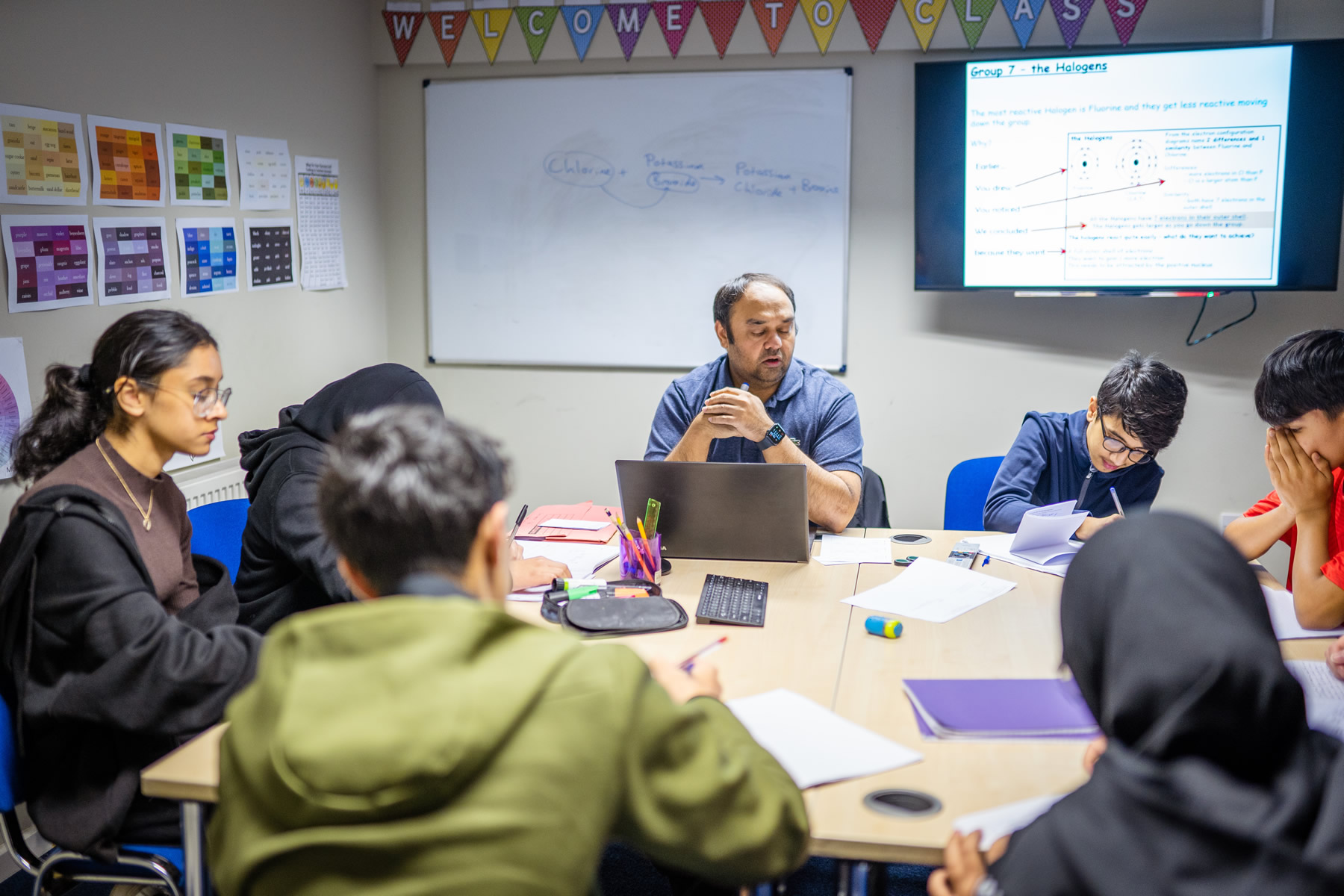
Image of teaching, revisions.

Exam season creeps up faster than most students expect. One minute you’re finishing mock exams, the next you’re staring at a revision timetable, wondering where to start. If you’re a GCSE student in Manchester searching for revision tips that go beyond generic advice, you’re in the right place.

At Primus Education, we’ve spent years working with GCSE students across Old Trafford, Chorlton and Stretford, watching what actually moves grades and what just wastes time. This guide brings together the techniques our tutors use every week, not recycled tips copied from a textbook.

Why GCSE Revision Feels Overwhelming (and How to Fix It)

Most students don’t struggle with GCSE revision because they lack ability. They struggle because they’re revising the wrong way. Rereading notes and highlighting textbooks feel productive, but they barely help information stick.

The students who improve fastest switch to active revision methods. They test themselves instead of just reading. They space out their study sessions instead of cramming. Small changes like these make a bigger difference than adding extra hours to your timetable.

Build a Revision Timetable That Actually Fits Your Life

A good revision timetable isn’t about filling every hour of your day. Studying in blocks of 30 to 45 minutes, with short breaks in between, keeps your focus sharp and stops burnout before it starts.

Colour-Code Your Topics by Confidence

Start by printing your exam board’s specification, whether that’s AQA, Edexcel or OCR, and go through it topic by topic. Mark each one in three colours: what you know well, what needs work, and what you haven’t covered yet.

Prioritise Weak Topics First

This simple system shows you exactly where to focus your time. Instead of revising subjects you already understand, you’ll spend more sessions on the topics that need the most attention before your exams.

Active Recall: The Revision Technique Manchester Tutors Swear By

Active recall means testing yourself on information rather than just rereading it. Close your book, write down everything you remember about a topic, then check what you missed. It feels harder than passive reading, and that’s exactly why it works.

Use Flashcards to Test Yourself

Flashcards are one of the simplest ways to practise active recall. Apps like Anki or Quizlet let you build digital flashcard sets for any GCSE subject, and they’ll show you weaker cards more often until the information sticks.

Combine Active Recall With Spaced Repetition

Pairing active recall with spaced repetition, revisiting topics at increasing intervals, helps information move into long-term memory. This combination is one of the most researched and effective study methods available to GCSE students today.

Past Papers: Your Secret Weapon for AQA, Edexcel and OCR Exams

Nothing prepares you for a GCSE exam like sitting a real one under timed conditions. Past papers show you exactly how questions are worded, how marks are awarded, and where the tricky parts of each subject tend to appear.

Time Yourself Under Real Exam Conditions

Time yourself properly when you practise. This stops you from panicking on exam day and helps you work out how long to spend on each question. Mark your answers against the official scheme afterwards, not just against what feels right.

Get a Tutor to Review Your Mistakes

If you’re unsure how to interpret your mistakes, ask your teachers or tutors to go through past papers with you. A second pair of eyes often spots patterns in your errors that are hard to see on your own.

Small Goals, Big Results: Breaking Revision Into Chunks

Big goals like “revise all of GCSE Chemistry” feel impossible and often lead to procrastination. Small, specific goals, like “learn the reactivity series today”, give you something achievable to aim for by the end of each session.

Track Daily Wins in Your Timetable

Add these mini goals into your revision timetable so you can see your progress build day by day. This approach keeps you motivated and stops the panic that comes with feeling like you haven’t done enough.

Find Your Learning Style

Everyone learns differently, so pay attention to what works for you. Some students remember more from diagrams and colour coding, others from reading aloud or teaching a topic to someone else.

Sleep, Stress and Your GCSE Grades

Sleep deprivation quietly undoes hours of hard revision. Your brain processes and stores new information while you sleep, so cutting sleep short to fit in one more revision session often does more harm than good.

Why Rest Beats Cramming

Staying calm matters just as much as studying hard. A difficult revision day doesn’t have to affect the next one. Taking breaks, seeing friends and looking after your mental health all support better exam performance, not just extra practice papers.

Free GCSE Revision Timetable Checklist

To make this easier, we’ve put together a downloadable revision timetable checklist you can print and fill in yourself. It breaks your subjects into manageable blocks and includes space to track topics you’ve mastered and ones that still need work.

[Download your free GCSE revision checklist here] — use it alongside the tips above to build a routine that actually fits your exam timetable.

How Primus Education Supports GCSE Students Across Manchester

At Primus Education, our tutors work with students across Old Trafford, Chorlton, Stretford, Firswood, and the wider Manchester area, offering support in GCSE Maths, GCSE English, and GCSE Science tuition.

Support Beyond GCSEs

Beyond GCSEs, we also support younger students preparing for 11+ entrance exams and Key Stage 2 SATs, helping them build strong study habits well before GCSE years begin.

Personalised Revision Plans

Every student learns differently, which is why our tutors build personalised revision plans around each student’s exam board, target grades and learning style, rather than a one-size-fits-all approach.

Frequently Asked Questions

How many hours should I revise for GCSEs?

Most students benefit from revising in short, focused blocks of 30 to 45 minutes rather than counting total hours. Quality and consistency matter more than marathon revision sessions that lead to burnout.

What is the best revision technique for GCSE Maths?

Practising past papers under timed conditions is one of the most effective ways to revise GCSE Maths. Combine this with active recall of formulas and worked examples to build both speed and accuracy.

When should I start revising for GCSEs?

Starting a few months before your exams gives you enough time to cover every topic without cramming. Early starters can space out difficult subjects and revisit them multiple times before exam day.

How can a tutor help with GCSE revision?

A tutor identifies gaps in your knowledge, explains topics you’re stuck on, and keeps your revision on track with structured, personalised sessions rather than generic advice found online.

private tuition Manchester

Primus Education, 609 Stretford Road, Manchester, M16 0QA.

Private maths tutoring in Old Trafford, Manchester.

Information for Parents

Privacy Policy
Safeguarding Policy
Complaints Policy

Get in touch!

Keep in touch for our latest offers and updates.

tuition@primuseducation.co.uk

© 2024 Primus Education All rights reserved. Website by dsgnuk.com